Can A Child Get Lung Cancer From Secondhand Smoke : Top 5 Risk Factors For Lung Cancer - In the u.s., the percentage of children and teens living with at least one smoker is about three times the percentage of nonsmoking adults who live with a smoker.. Health risks for children secondhand smoke is especially unsafe for babies and young children because their bodies and lungs are still developing. All told, smoking and exposure to tobacco smoke cause about 480,000 deaths a year. Furthermore, this study suggests that subjects first exposed before age 25 have a higher lung cancer risk compared to those for whom first exposure occurred after age 25 years. Secondhand smoke can cause problems for children later in life, such as: Secondhand smoke can trigger an asthma attack in a child.
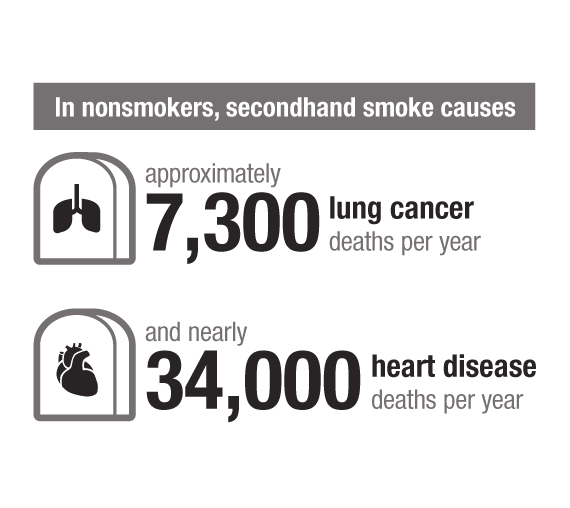
Exposure to second hand smoke (shs) has been identified as a risk factor for lung cancer for three decades. Even low levels of secondhand smoke can be harmful. But you could still get it if you hang out around people who do smoke. In the united states, at least 30 percent of all cancer deaths each year are caused by cigarette smoking and secondhand smoke exposure. Secondhand smoke (shs) secondhand smoke is a serious health hazard causing more than 41,000 deaths per year in the united states (1).
What Is The Probability Of Getting Lung Cancer From Second Hand Smoke Quora from qph.fs.quoracdn.net There's also some evidence suggesting it might be linked in adults to cancers of the: About 4 out of 10 u.s. How can you protect yourself and your family from secondhand smoke? Frequent coughing, sneezing, shortness of breath or other breathing problems. Being exposed to secondhand smoke slows the growth of children's lungs and can cause them to cough, wheeze, and feel breathless (3, 7, 10). Secondhand smoking may increase the overall risk of cancer for never smokers, particularly lung and breast cancer, and especially in women. Frequent and more severe asthma attacks. Secondhand smoke is what you breathe in when people.
Children exposed to secondhand smoke are more likely to experience:
The more secondhand smoke a child breathed, the more likely he or she was to grow up to have lung cancer. You can absolutely get lung cancer from second hand smoke. When a child breathes in the smoke from the cigarette, pipe, or cigar of another person, it can affect the lungs and may result in lung cancer. Just living with a smoker increases your chance of developing lung cancer or heart disease from secondhand smoke by as much as 30 percent. Pregnant women exposed to passive smoke are more prone to premature birth and their baby is more at risk of low birthweight and cot death. People who breathe in secondhand smoke regularly are more likely to get the same diseases as smokers, including lung cancer and heart disease. About 4 out of 10 u.s. Health risks for children secondhand smoke is especially unsafe for babies and young children because their bodies and lungs are still developing. It can cause or make worse a wide range of damaging health effects in children and adults, including lung cancer, respiratory infections and asthma. In the u.s., the percentage of children and teens living with at least one smoker is about three times the percentage of nonsmoking adults who live with a smoker. There are multiple factors that may cause lung cancer in the pediatric population (3) (4). Furthermore, this study suggests that subjects first exposed before age 25 have a higher lung cancer risk compared to those for whom first exposure occurred after age 25 years. There are two genetic types of lung cancer that seem.
Secondhand smoke causes and contributes to various health problems, including heart disease and lung cancer. There are two genetic types of lung cancer that seem. Strict implementation of smoking cessation programs should be encouraged, not only to reduce active smoking but also to limit exposure to secondhand smoke. But you could still get it if you hang out around people who do smoke. Wheezing and coughing are more common in children who breathe secondhand smoke.
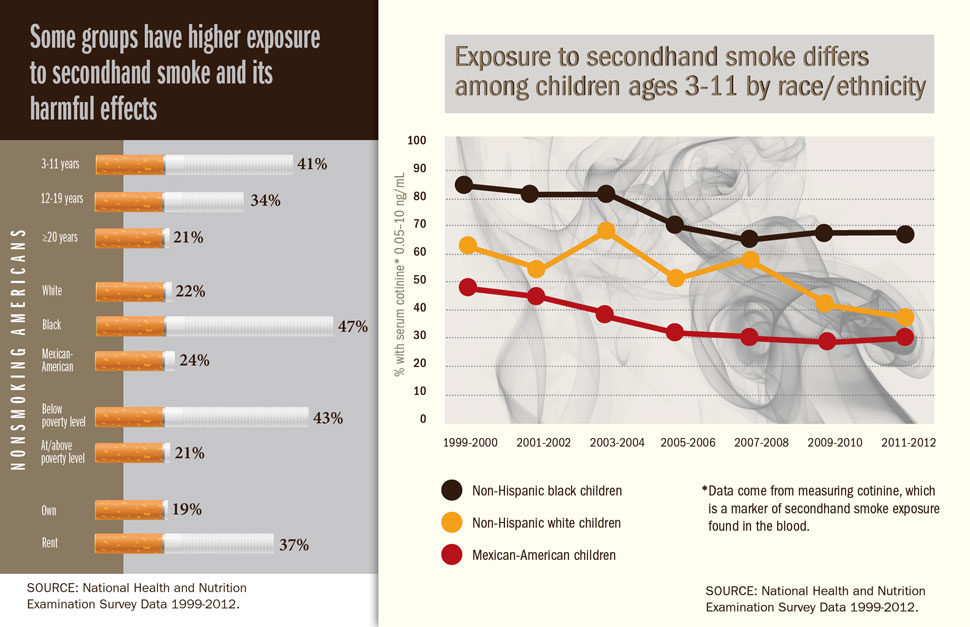
Secondhand Smoke Infographics Vitalsigns Cdc from www.cdc.gov How can you protect yourself and your family from secondhand smoke? Children and teens who smoke have the same health problems as adults. Secondhand smoke causes and contributes to various health problems, including heart disease and lung cancer. Being exposed to secondhand smoke slows the growth of children's lungs and can cause them to cough, wheeze, and feel breathless (3, 7, 10). As is the case the active smokers, a person's risk of developing lung cancer increases the longer they inhale secondhand smoke. The more secondhand smoke a child breathed, the more likely he or she was to grow up to have lung cancer. Exposure to second hand smoke (shs) has been identified as a risk factor for lung cancer for three decades. There any many studies on this.
Usually, you'd have to be.
The symptoms of the same are: However, it's unlikely from just walking past somebody. Their lungs grow less than children who do not breathe secondhand smoke, and they get more bronchitis and pneumonia. How can you protect yourself and your family from secondhand smoke? Secondhand smoke is a serious health hazard causing more than 41,000 deaths per year. Secondhand smoke is what you breathe in when people. Children exposed to secondhand smoke are more likely to experience: All told, smoking and exposure to tobacco smoke cause about 480,000 deaths a year. Usually, you'd have to be. Increased risks of lung cancer and cancers in the brain, bladder, stomach, breast and more. Secondhand smoke is known to cause cancer. As is the case the active smokers, a person's risk of developing lung cancer increases the longer they inhale secondhand smoke. According to a 2013 study in the new england journal of medicine, quitting before the age of 40 reduces your chance of dying.
There's also some evidence suggesting it might be linked in adults to cancers of the: Secondhand smoke is a serious health hazard causing more than 41,000 deaths per year. There is no safe level of exposure to secondhand smoke. Kids who breathed secondhand smoke for many hours every day were 3.6 times more likely to. Even brief exposure can damage cells in ways that set the cancer process in motion.
Health Effects Of Secondhand Smoke Facts Tobacco Stops With Me from stopswithme.com Making your home and vehicles smoke free can reduce secondhand smoke exposure among. In the u.s., the percentage of children and teens living with at least one smoker is about three times the percentage of nonsmoking adults who live with a smoker. There are two genetic types of lung cancer that seem. Strict implementation of smoking cessation programs should be encouraged, not only to reduce active smoking but also to limit exposure to secondhand smoke. Pregnant women exposed to passive smoke are more prone to premature birth and their baby is more at risk of low birthweight and cot death. It can cause or make worse a wide range of damaging health effects in children and adults, including lung cancer, respiratory infections and asthma. Secondhand smoke is harmful to the respiratory and vascular systems in both children and adults. While cough, congestion, and decreased function of lungs are the minor side effects of secondhand smoking, lung cancer is a life threating one.
Smoking is a very dangerous exposure for many.
About 4 out of 10 u.s. Secondhand smoke is harmful to the respiratory and vascular systems in both children and adults. However, it's unlikely from just walking past somebody. Exposure to second hand smoke (shs) has been identified as a risk factor for lung cancer for three decades. Shs causes lung cancer, even in people who have never smoked. There's also some evidence suggesting it might be linked in adults to cancers of the: Usually, you'd have to be. Pregnant women exposed to passive smoke are more prone to premature birth and their baby is more at risk of low birthweight and cot death. Secondhand smoking may increase the overall risk of cancer for never smokers, particularly lung and breast cancer, and especially in women. There are two genetic types of lung cancer that seem. Secondhand smoke is known to cause cancer. Secondhand smoke can trigger an asthma attack in a child. Women exposed to secondhand smoke as children had a 1.9 times greater risk of developing the lung disease than those who weren't exposed, while men exposed to secondhand smoke as children had a 1.5 times to 1.7 times greater risk than those who were not exposed, the investigators found.